Job
JobSo you’ve seen the headlines. “Move to America. Get paid $50,000 just to relocate.” And your first reaction was probably the same as everyone else’s: is this real, or is this another one of those too-good-to-be-true internet claims that disappears the moment you click “apply”?
Here’s the honest answer. It’s real, but it’s not as simple as the headline makes it sound. The $50,000 figure you keep seeing isn’t a cheque someone hands you at the airport. It’s the realistic total value of a full corporate relocation package, tuition-free housing, moving allowance, flights, signing bonus, and first months of living support, that some U.S. construction employers genuinely offer to skilled foreign workers right now. And the reason they’re offering it isn’t generosity. It’s desperation.
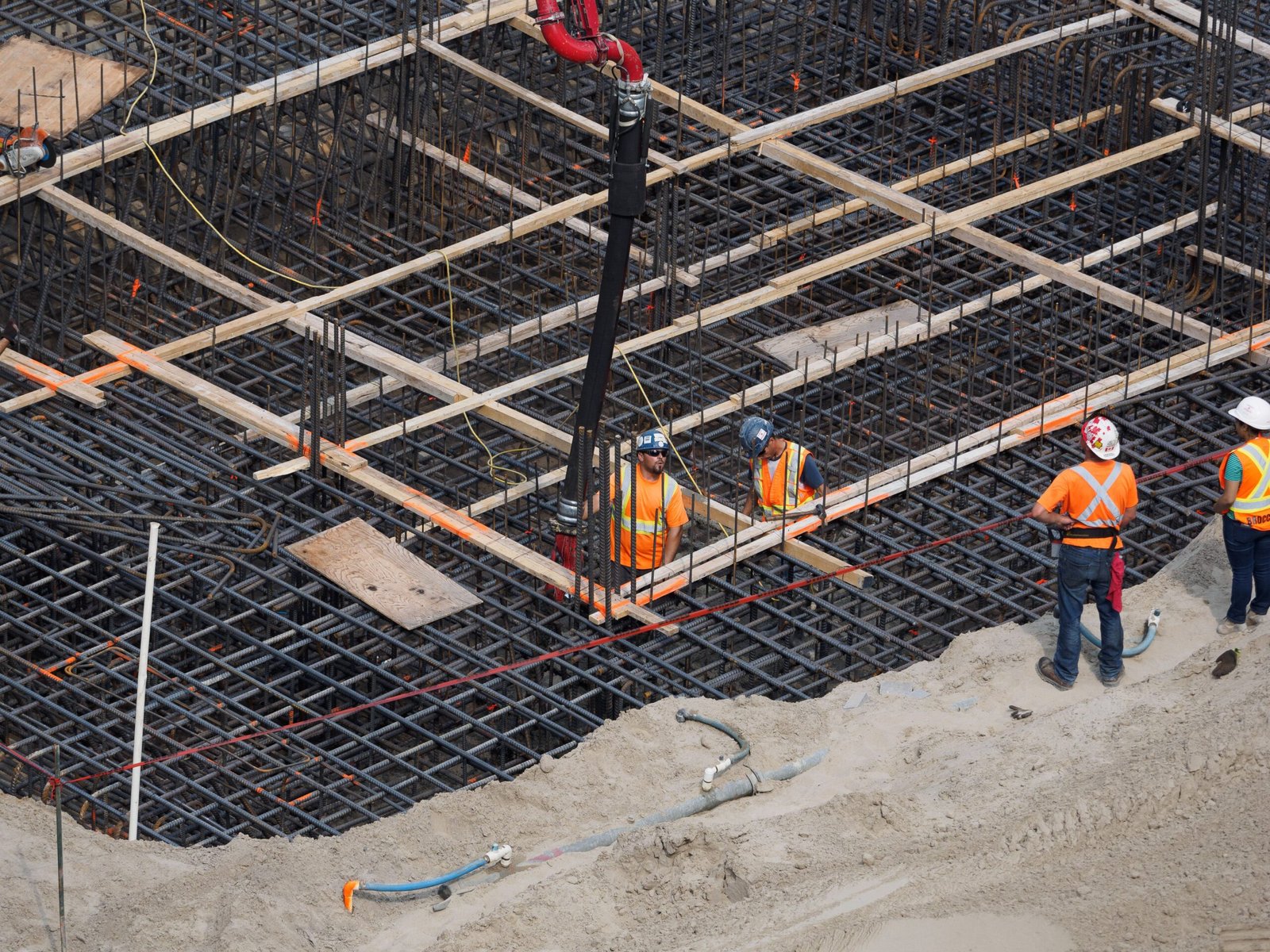
The American construction industry is short by an estimated 650,000 workers, a number projected to climb past one million by 2028 as infrastructure spending continues at a historic pace. Highways, bridges, data centres, housing developments, energy projects, all of it needs hands that the domestic workforce simply cannot supply fast enough. Employers are not just posting job ads anymore. They are actively recruiting overseas, sponsoring visas, and footing the bill to get qualified tradespeople through the door.
This article breaks down exactly how that opportunity works, who qualifies, which visa pathways are legitimate, and how to avoid the scams that have flooded this exact search term. No fluff. No fantasy numbers. Just the real picture.
The Breakdown of Corporate Relocation Assistance Packages
Let’s start with the part everyone wants to understand first: where does the $50,000 actually come from?
It’s not a single payment. It’s a combination of benefits that, added together over your first year, can realistically reach that range for skilled tradespeople in high-demand roles, particularly in states with severe labour shortages. Here’s what a competitive relocation package from a serious U.S. construction employer typically includes:
Sign-on bonus. Many companies offer an upfront bonus, often between $2,000 and $10,000, paid once you arrive and begin work. This is meant to offset the immediate cost of settling in.
Travel and flight reimbursement. Full or partial coverage of your international flight, sometimes including your spouse and children if your visa category allows dependents.
Housing assistance. This is one of the biggest line items. Some employers cover the first one to three months of rent outright. Others provide a fixed relocation stipend you can use toward a deposit and furnishings.
Moving and shipping allowance. Coverage for shipping personal belongings, particularly relevant if you’re bringing tools, equipment, or household goods.
Visa and legal fee support. Serious employers cover or significantly contribute to your visa petition costs, attorney fees, and any required medical exams or documentation processing.
Training and certification support. Many construction roles require OSHA safety certification or trade-specific licensing. Employers that genuinely want to retain workers will often pay for this training rather than expect you to arrive fully certified.
Base salary. This is the largest component by far. Skilled tradespeople in high-demand categories can earn between $45,000 and $95,000 annually depending on the trade, location, and experience level, and this is where most of that “$50,000” figure quietly lives once you account for a full year’s income on top of relocation perks.
When you add a $5,000 signing bonus, $3,000 in flight and shipping coverage, three months of covered housing worth roughly $4,500, and a first-year salary of $55,000, you land somewhere in that headline range without anyone handing you a literal cheque. Understanding this breakdown matters because it helps you evaluate real offers against the inflated promises some recruiters throw around.
Top In-Demand Construction Trades With Visa Sponsorship
Not every construction job qualifies for sponsorship, and not every trade is equally in demand. Here’s where the real opportunity concentrates right now.
Electricians. Among the most sponsored trades in the country. Electrical work requires licensing in most states, but employers frequently support the certification process for workers who already have foundational experience.
Plumbers and pipefitters. Persistent shortage across residential, commercial, and industrial construction. Plumbing licences vary by state, and sponsoring employers often guide workers through the local requirements.
Welders. Heavy infrastructure and energy projects depend on certified welders, and the U.S. simply does not produce enough domestically trained welders to meet demand.
HVAC technicians. As construction of data centres and large commercial buildings accelerates, HVAC specialists are increasingly recruited from overseas, often with sponsorship and training support bundled together.
General labourers and carpenters. Lower barrier to entry, but still in heavy demand, particularly in states experiencing residential construction booms. These roles are most commonly sponsored under the H-2B temporary visa category.
Heavy equipment operators. Crane operators, excavator operators, and similar specialists are consistently listed among hard-to-fill positions on state labour shortage reports.
Construction project managers and civil engineers. These roles typically require a bachelor’s degree and may qualify under a different visa category entirely, more on that below.
If your trade falls into general labour or seasonal work, your most realistic pathway is the H-2B visa. If you hold a licensed specialist trade with two or more years of documented experience, you may have a path through EB-3. If you hold an engineering or construction management degree, H-1B becomes relevant. Knowing which category your skill set fits is the first real step, not an afterthought.
The Real U.S. Visa Pathways: Step by Step How the U.S. Placement Process Works
This is the part most viral articles either skip entirely or get dangerously wrong. Let’s fix that.
There are three primary visa routes for foreign construction workers, and they are not interchangeable.
Pathway 1: H-2B Visa (Temporary Worker)
This is the fastest and most common route into U.S. construction work. It is a nonimmigrant category for temporary non-agricultural work, applicable when an employer can prove a temporary need, obtain labor certification, and file a petition with USCIS. The H-2B program is typically used by employers demonstrating temporary, seasonal, or peak-load shortages, which is frequently the case in construction.
Step by step, here is how the process actually unfolds:
- A U.S. employer identifies a labour shortage and confirms it’s temporary, seasonal, or project-based.
- The employer files for labor certification and submits the immigration petition. The worker cannot self-petition for H-2B; the employer must initiate this.
- The employer must demonstrate they attempted to recruit U.S. workers first and failed, and that hiring a foreign worker will not negatively affect similarly situated U.S. workers.
- Once approved, the worker applies for the visa at a U.S. consulate in their home country.
- The H-2B process typically takes five to eight months to complete from start to finish.
- Workers can bring their spouse and children under 21 on dependant H-4 visas, though dependants cannot work under this status.
- The visa is approved for up to one year initially and can be extended in one-year increments, not exceeding three years total.
The catch: the regular statutory cap sits at 66,000 visas per fiscal year, split evenly between two half-year allocations, and demand consistently exceeds supply. For 2026, however, the administration authorized approximately 65,000 additional supplemental H-2B visas, effectively doubling the program’s size through September 30, 2026, which means significantly more opportunity exists this year than in a typical cycle.
Pathway 2: EB-3 Visa (Permanent Green Card)
This is the long-term route, and it leads to permanent residency rather than temporary work authorization. Construction workers often qualify under the “other workers” subcategory of EB-3, covering unskilled laborers requiring less than two years of training or experience, which leads to the same permanent resident status as other EB-3 categories.
The process:
- The employer must prove, through a process called PERM labor certification, that no qualified U.S. worker is available for the role.
- The employer files Form I-140 on the worker’s behalf.
- Once approved, applicants are assigned a priority number, and the visa application cannot be processed until that number comes up, with wait times varying significantly by country of origin.
- Total EB-3 processing time generally runs between twelve and twenty-four months, sometimes longer depending on nationality and current visa bulletin backlogs.
- Workers undergo medical exams, background checks, and consular interviews before final approval.
Pathway 3: H-1B Visa (Specialty Occupation)
This route applies specifically to construction management, civil engineering, and architecture roles. To qualify, the position must typically require a bachelor’s degree, and the worker must hold a degree in a related field, such as construction management combined with a relevant professional certification. General trade or labour experience alone does not meet this threshold.
Important clarification on H-2B to EB-3: A lot of recruiters market H-2B as a guaranteed stepping stone to a green card. That claim is misleading. H-2B can introduce a worker to a U.S. employer and provide lawful temporary work experience, but a green card requires a completely separate immigrant sponsorship process, including its own labor certification. Workers on H-2B can be separately sponsored for an EB-3 green card if the employer later decides to retain them permanently, but the two processes are independent and one does not automatically convert into the other.
Golden Rules to Avoid Getting Scammed
This search term has attracted a wave of low-quality content and outright scams, so this section matters as much as anything else in this article.
Rule 1: A real employer never asks you to pay for your own visa sponsorship. Legitimate U.S. construction employers cover their side of the petition and labor certification costs. If someone asks for an upfront “processing fee,” “visa guarantee fee,” or “placement fee” before you’ve even been offered a position, that is a scam, full stop.
Rule 2: Verify the employer independently, never through the recruiter’s own website alone. Search the company name plus “USCIS petitioner” or check state business registries. A real employer has a verifiable physical address, an actual operating history, and a presence beyond a single landing page.
Rule 3: No one can guarantee visa approval. Visa decisions are made by USCIS and the State Department, not by recruiters or staffing agencies. Anyone promising a guaranteed outcome is lying to you.
Rule 4: Be suspicious of flat cash promises like “$50,000 paid directly to you.” As explained earlier, relocation value comes from a combination of benefits, not a lump sum handed over on arrival. Marketing that frames it as a direct payout is designed to bait clicks, not describe reality.
Rule 5: Legitimate job offers come with a written contract specifying wage, role, location, and visa category. If you’re being asked to commit, travel, or pay anything based on a verbal promise alone, stop immediately.
Rule 6: Check official sources before trusting third-party blogs. USCIS.gov and the Department of Labor’s OFLC website publish accurate, current information on H-2B caps, EB-3 categories, and prevailing wage data. Cross-reference any claim you read elsewhere against these.
Where to Find U.S. Employers Actively Sponsoring Now
You don’t need a shady agent to access this opportunity. Real pathways exist, and they’re publicly accessible.
Department of Labor’s OFLC disclosure data. This public database lists every employer who has filed labor certifications for H-2B and EB-3 positions, including job titles, wages, and locations. It is the single most reliable source to confirm a company is actively and legally sponsoring.
State workforce agency job boards in states with the heaviest construction activity, particularly Texas, Florida, Arizona, and the Carolinas, regularly list sponsored construction openings.
Specialized immigration-focused job platforms that aggregate verified sponsorship listings can save significant research time, but always cross-check any listing against the OFLC database before applying or sharing documents.
Trade unions and apprenticeship programs sometimes maintain partnerships with U.S. contractors facing labour shortages, and these connections can lead to legitimate sponsored placements.
Direct outreach to major U.S. construction firms operating large infrastructure or commercial projects is also worth pursuing. Many publish their own sponsorship policies and application processes directly on their careers pages.
Start by identifying your trade category, gathering proof of your experience and certifications, and applying directly through verified channels rather than waiting for an opportunity to land in your inbox.
Final Thoughts
The opportunity behind this headline is real, but it’s not magic, and it’s not free money. It’s a legitimate, well-documented response to one of the most severe labour shortages in modern American history, and skilled construction workers from around the world genuinely stand to benefit from it.
What separates the people who land these roles from the people who get scammed chasing them is simple: understanding exactly how the system works, knowing which visa pathway actually fits your skill set, and verifying every employer before committing time, documents, or money.
The $50,000 figure isn’t a lie. It’s just not the headline you were sold. It’s the real, calculable value of base salary, relocation support, and benefits that legitimate employers are putting on the table to solve a labour gap that isn’t closing anytime soon. If you have a trade, the documentation to prove it, and the patience to go through the process correctly, this is one of the most genuine pathways into the U.S. workforce available right now.
Start with the Department of Labor’s public disclosure data, confirm any employer before you engage with them, and build your application around the visa category that actually matches your experience. That is how this opportunity becomes real for you, not through a shortcut, but through doing it right.

 Job
Job